Crowd Games




About Crowd Games
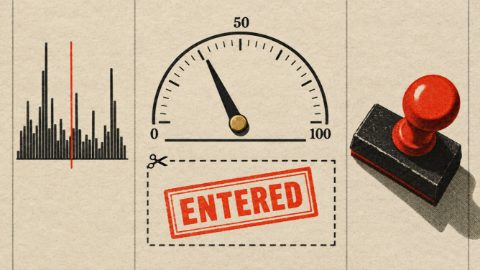
In a crowd game the other players are part of the puzzle. Everyone gets the same questions on the same day, and your result depends on what all of them did: you match what a stranger said, you guess where everyone else's numbers will land, or you put your estimate up against the whole crowd's. You never see who anyone is, only the totals, and the totals are often the most surprising part of the day.
Some of these games make the crowd your opponent. In Common Ground you type the first thing that comes to mind for ten prompts and get matched with a stranger who answered the same ten. Law of Averages is the famous Keynesian beauty contest with a new fraction every day: pick 0 to 100, and whoever is closest to that fraction of everyone's average wins, two-thirds one day and four-fifths or a half another. Its result is read out after midnight ET.
Others pit you against the wisdom of the crowd. In How Many you glimpse a jar of jelly beans or a field of sheep for a few seconds and guess the count, then see whether you beat the median of every guess made that day. Pin Drop has you drop a pin on an unlabelled world map and shows the crowd's average pin beside yours. Paint Chips asks you to mix five colours, from their names one day and from memory the next, and on name days it shows everyone's picks as a cloud of dots. All of them are free, take a minute or two, and come back with new questions every day.
How to play against a crowd
The trick in every crowd game is to stop thinking about the right answer and start thinking about other people. In Common Ground, go with the first and most obvious answer, because that is what a stranger is most likely to say too. In Law of Averages, check the day's fraction first, then think in levels and stop one step past where most people stop. And in How Many and Pin Drop, remember that the crowd's average is a strong opponent: beating it means being better than most of the people in it.
Frequently asked questions
What is a crowd game?
A game whose result depends on everyone else who played the same questions that day: the most common answer, the day's fraction of the average, the median guess. Gamefinity only ever shows the totals, never who picked what.
What is the Keynesian beauty contest?
A game economists use to study how people think about other people's thinking: everyone picks a number from 0 to 100, and the winner is closest to two-thirds of the average (or another fraction of it). Law of Averages runs it once a day with a new fraction each day, and prints the whole room's picks the next day.
Why is the crowd's average so often close to the truth?
Individual guesses miss in both directions, and with enough of them the errors cancel out. That is the wisdom of the crowd, first noticed at a county fair where hundreds of people guessed the weight of an ox. How Many and Pin Drop let you test it every day.
Are crowd games ranked?
Some are. How Many, Pin Drop and Paint Chips have verified leaderboards, while Common Ground and Law of Averages are played for fun, because a score that depends on everyone else cannot be checked by replaying one run.